Presidential election years often bring uncertainty and change for small business owners. During these years, shifts in policies, regulations, and overall economic stability can create uncertainty in the lending market.
Small business loans are no exception. Understanding how a presidential election year might affect small business loans is key for business owners to make informed decisions.
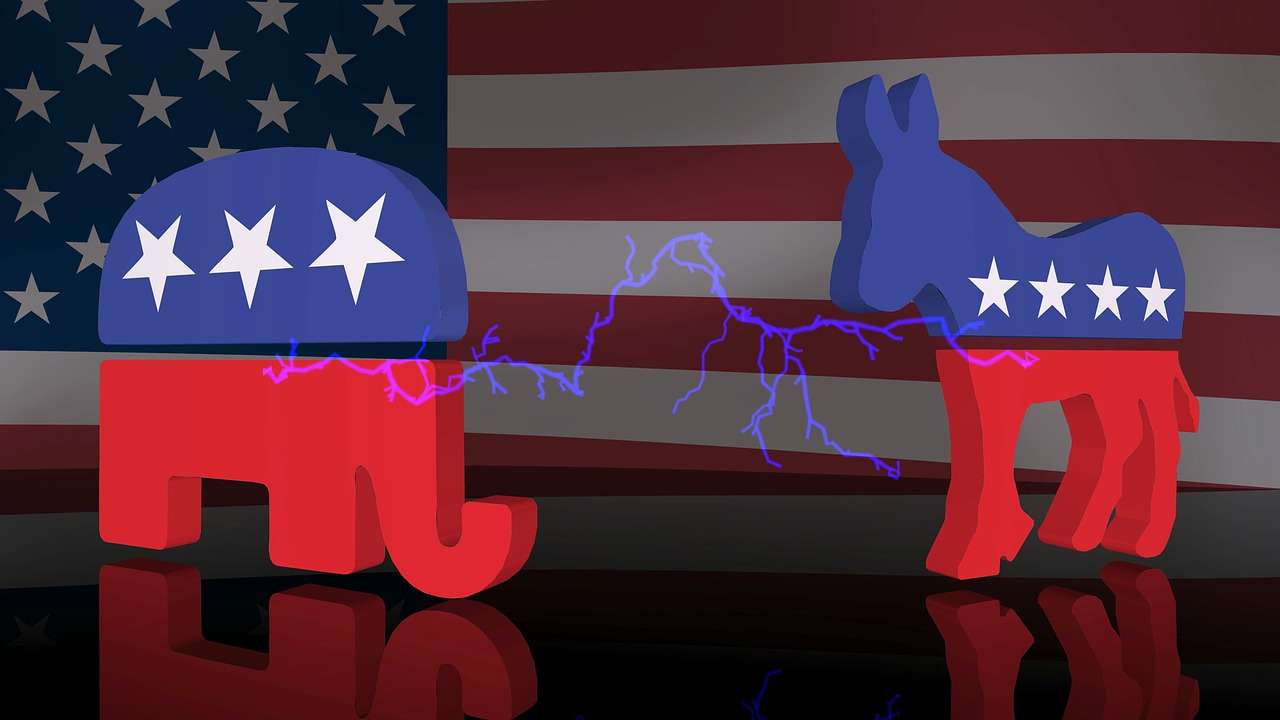
How a Presidential Election Year Might Affect Small Business Loans
Economic Uncertainty
One of the main challenges in a presidential election year is economic uncertainty. Markets tend to become more volatile as the election approaches. Lenders may respond to this uncertainty by becoming more cautious with lending.
They may tighten lending standards, making it harder for small businesses to get loans. Even if a business qualifies, the terms of the loan might be less favorable. Interest rates could rise as lenders try to mitigate risks.
Political Rhetoric and Policy Shifts
The rhetoric of political campaigns often affects the economy. Candidates discuss potential changes to taxes, regulations, and financial policies. This can cause lenders to delay loan approvals until the political landscape stabilizes.
Lenders prefer consistency, and election years can lead to policy shifts that create uncertainty. This can cause businesses to postpone expansion plans or investments due to fear of possible policy changes.
Impact on Interest Rates
The Federal Reserve tends to adjust interest rates in response to election year pressures. Higher interest rates can mean more expensive loans for small businesses. If the Federal Reserve increases rates to counter inflation or maintain economic stability, loan affordability declines.
On the other hand, lower interest rates can make loans more attractive and affordable. The direction rates take often depends on the candidates’ positions and the broader economic climate.
Small Business Loan Programs and Government Support
The election outcome can have a significant impact on government loan programs. If the elected president supports small business growth, federal programs may receive increased funding. These programs, such as the Small Business Administration (SBA) loan programs, play a critical role in providing affordable loans.
Changes to these programs could either help or hurt small business owners. For example, a president focusing on deregulation might reduce government intervention in business loans, allowing for greater private sector involvement.
Tax Policies and Business Financing
Tax policies are another crucial factor during election years. Candidates often propose tax changes that could impact businesses. Tax increases could lead to higher operating costs, making it more difficult for small businesses to repay loans.
Conversely, tax cuts could provide businesses with more cash flow, making it easier to secure and repay loans. Business owners should pay close attention to candidates’ tax proposals, as they may directly affect their ability to qualify for financing.
Financial Institutions’ Lending Practices
Banks and financial institutions may become more conservative in their lending practices during election years. They might view political uncertainty as a risk to their loan portfolios. This conservative approach could lead to stricter credit requirements, affecting small business owners’ access to loans.
The stability of the banking sector itself may be affected, depending on the policies proposed by the candidates. Financial institutions prefer stable political environments to operate in, so any political turmoil may lead them to delay major lending decisions.
Business Owners’ Confidence Levels
During election years, small business owners often become more cautious about their borrowing decisions. Uncertainty about the future can make business owners hesitant to take out loans. They may delay expansion or defer large investments, waiting to see how the election impacts the business environment.
Lenders may also adjust their approach based on the business community’s overall confidence. A lack of confidence among business owners could lead to a reduced demand for loans.
Potential Regulatory Changes
A presidential election could lead to regulatory changes that directly affect small business lending. Different administrations may have different views on business regulations. For example, a pro-business administration may reduce regulations, making it easier to secure loans.
Conversely, an administration that prioritizes consumer protections might implement more stringent lending rules. Business owners should keep an eye on the candidates’ views on regulation, as these changes could impact their loan options.
Preparing for a Presidential Election Year
Small business owners can prepare for the uncertainty of a presidential election year by being proactive. Start by reviewing your financial situation and assessing whether now is the right time to take out a loan. Monitor the candidates’ positions on small business issues and their potential impact on the economy. Stay informed about interest rates, tax proposals, and potential regulatory changes.
It is also wise to build a strong relationship with your lender. Discuss how the election might affect your loan options and what you can do to mitigate risks. Having a trusted financial partner can provide peace of mind during uncertain times.
Finally, consider diversifying your financing options. Explore alternative lending sources, such as credit unions, fintech lenders, or community banks. These institutions may be less affected by political changes than larger banks.
Conclusion
A presidential election year can create significant uncertainty in the lending market. Small business owners may face tighter credit standards, higher interest rates, and shifting government programs. However, staying informed and prepared can help business owners navigate these challenges.
By understanding how the election might affect small business loans, owners can make smart financial decisions and position themselves for success, regardless of the election outcome.
Sources:
- U.S. Small Business Administration. (2023). Small Business Loan Programs. Retrieved from https://www.sba.gov
- Federal Reserve. (2023). Monetary Policy and Interest Rates. Retrieved from https://www.federalreserve.gov
- National Small Business Association. (2023). The Impact of Elections on Small Business Financing. Retrieved from https://www.nsba.biz