
Disaster Relief Business Loans: How Funding Helps Small Businesses Reopen After Catastrophic Loss
Editor’s Note: This article was last updated in February, 2026 to reflect the latest trends in disaster relief business loans and small-business recovery funding. All information is current and relevant as of this update.
Disaster relief business loans can determine whether a small business survives the weeks after catastrophe. The dining room was silent three days after the hurricane water receded. Tables still stood in place, but the kitchen equipment no longer worked, and no customers could enter. The owner’s first concern was not rebuilding the space, but meeting payroll at the end of the week.
This is the moment when disaster becomes financial reality. Revenue stops immediately, yet rent, wages, and supplier invoices continue unchanged. For many small businesses, survival is decided during this quiet gap between damage and cash flow.
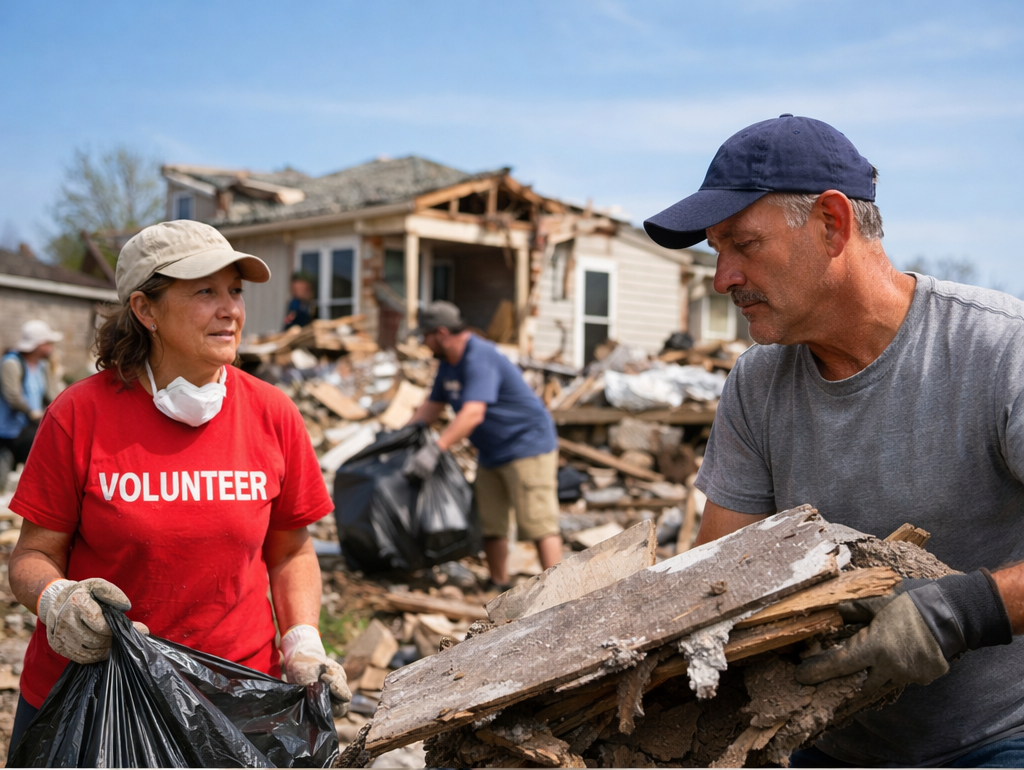
Insurance rarely arrives fast enough to solve the first problem. Owners must find working capital before repairs even begin. Disaster relief business loans bridge this dangerous stretch of time.
When used carefully, this funding keeps employees paid, protects customer relationships, and preserves the chance to reopen. Without it, otherwise healthy companies can disappear within weeks. Liquidity, not destruction, often determines the outcome.
How Financial Pressure Builds After the Event
A neighborhood clothing store reopened its doors briefly after a severe storm in Kentucky. The building remained standing, but inventory had been ruined by water and mold. Without cash to restock before the holiday season, customers slowly stopped returning.
Months later, the store closed permanently even though repairs were complete. The disaster’s lasting damage was economic, not structural. This pattern repeats across many communities after major events.
Stability Must Come Before Reconstruction
In Texas, a home-services contractor watched smoke destroy a storage warehouse filled with tools and equipment. Insurance adjusters documented the loss, but payment would take time. Technicians could not work without replacement tools, and payroll deadlines were approaching.
An emergency disaster loan allowed the owner to replace essential equipment within two weeks. Limited service resumed while the insurance claim continued and, because operations restarted quickly, long-term customers remained loyal.
Turning Visible Damage Into Financial Proof
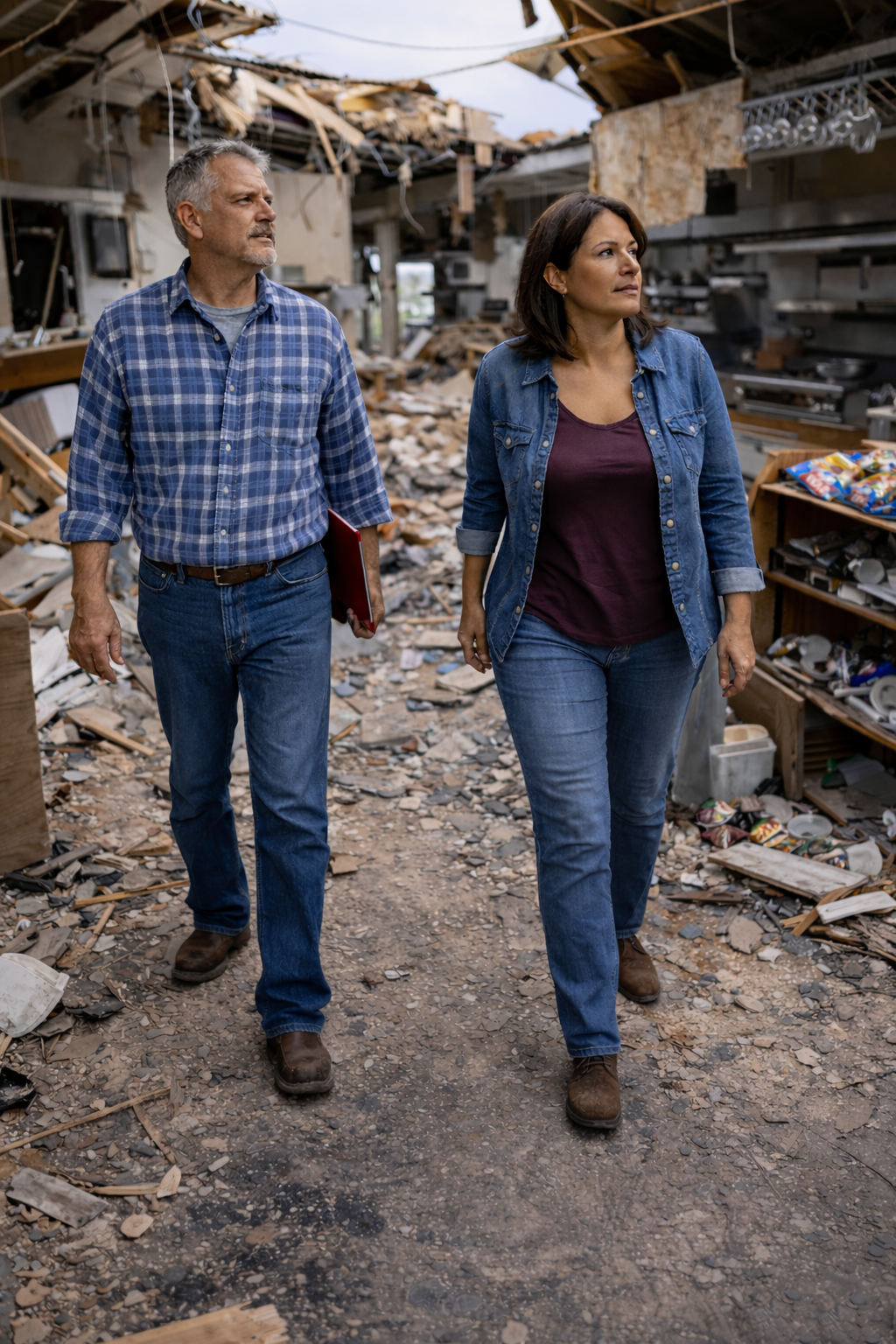
After a flood, one restaurant owner walked through the building with a phone camera and a notebook. Every damaged freezer, soaked wall, and ruined food delivery was recorded. Those details later became the foundation of both insurance claims and loan approval.
Lenders compared the losses with past tax returns and payroll records. The documents showed a stable business before the storm. Clear evidence made the recovery request believable.
Why Disaster Relief Business Loans Follow Different Rules
Traditional business loans assume steady income and predictable risk. Disaster lending begins when income has stopped and uncertainty is high. Approval depends on whether reopening appears realistic, not whether growth is immediate.
Government disaster programs usually provide lower interest rates and longer repayment periods. Their purpose is community recovery rather than quick profit. Processing may take longer, but the total cost is often manageable. For an overview of federal options, see the SBA disaster assistance program.
Private lenders can move faster when time is critical. Speed may prevent layoffs or eviction during closure. That urgency, however, usually brings higher borrowing costs.
How Insurance, Grants, and Loans Work Together
Rarely does one funding source solve the entire problem. Insurance may repair the building, while grants cover short-term relief. Loans often provide the first usable cash to keep operations alive.
When insurance money finally arrives, owners may reduce loan balances. This sequence keeps recovery moving instead of waiting. Timing becomes more important than the total amount received. Depending on the event, some owners also start with FEMA disaster assistance before finalizing longer-term financing.
Showing Lenders a Path Back to Revenue
One retailer seeking disaster funding brought more than damage photos to the bank. She presented a simple reopening timeline, supplier agreements, and expected monthly sales. The plan showed how income would return step by step.
The lenders responded to clarity more than emotion. Her organization signaled steady leadership during crisis and approval followed within weeks.
Decisions That Shape Long-Term Recovery
Meeting with lenders forces careful comparison of repayment terms and delays. Choosing the wrong structure can slow recovery even after reopening. Understanding each option protects the future.
Prepared borrowers ask detailed questions and review every condition. This kind of discipline builds lender confidence, and credibility often shortens approval time. If you want a structured prep checklist, see our loan application checklist.

What Approval Really Depends On
Credit history still matters, but disaster programs consider the full story. Insurance coverage, past revenue, and documented losses all play a role. Complete records make faster decisions possible.
Owners who prepare early can reduce stress later. Clear information replaces uncertainty with direction and preparation itself becomes a recovery tool.
Using Recovery Funds With Care
Every dollar borrowed must extend the timeline for reopening. Repairs, payroll, and essential equipment usually come first, and spending outside those needs can shorten survival.
Accurate tracking keeps insurance, lenders, and accountants aligned. Good records also guide future planning. Discipline during crisis protects stability afterward.
Reopening Does Not End the Recovery
The first day customers return often feels like victory. Yet cash reserves, supplier trust, and steady traffic take time to rebuild. True recovery continues quietly in the months that follow.
Many owners strengthen insurance or diversify services after reopening. Others create emergency savings for future disasters. Hard experience often produces stronger businesses.
When Borrowing Is Not the Right Choice
Some companies recover fully through insurance and grants alone. Others cannot safely manage additional debt, but careful review should guide every decision to borrow.
Professional advisors can explain realistic repayment limits. Sometimes, restraint protects the business more than new funding. Wise recovery is not always rapid recovery.
Why Small-Business Recovery Matters Beyond One Store
Each reopened storefront restores jobs, services, and neighborhood stability. Communities depend on local businesses for daily life, and their survival shapes regional recovery after disaster.
When commerce returns, confidence spreads through the area. Workers earn income again, and customers return to familiar places. Funding becomes a quiet force behind community renewal.
Final Perspective on Disaster Relief Business Loans
Disaster interrupts certainty but not the possibility of rebuilding. Timely funding restores choice, time, and control, and prepared owners often emerge stronger than before.
Understanding disaster relief business loans allows calm action during crisis. Clear financial decisions protect both businesses and families. In recovery, knowledge is often the most valuable resource.
Financial Disclaimer: This material is provided for educational purposes only and does not constitute financial, legal, or tax advice. Readers should consult qualified professionals before making financial decisions.
Photo Credit: All images © Sloan Digital Publishing and licensed stock sources. Used with permission.