
Avoid the most common mistakes when applying for a business loan in 2025. Use this step-by-step guide to prepare clean documents, compare lenders, and boost approval odds.
Editor’s Note: This article was updated in September 2025 to expand guidance, improve readability, and link to our latest loan requirements resources. It now reflects 2025 underwriting practices, digital submissions, and current lender expectations.
Avoid These Common Mistakes When Applying for a Business Loan
Financing can unlock growth when cash is tight. Yet common mistakes when applying for a business loan often derail approvals. In 2025, lenders review files more closely because rates are higher and credit is tighter. Before you apply, review our Complete Guide to Small Business Loan Requirements in 2025. Use the hub to confirm eligibility, documents, and timing.
1) Submitting incomplete or disorganized documentation
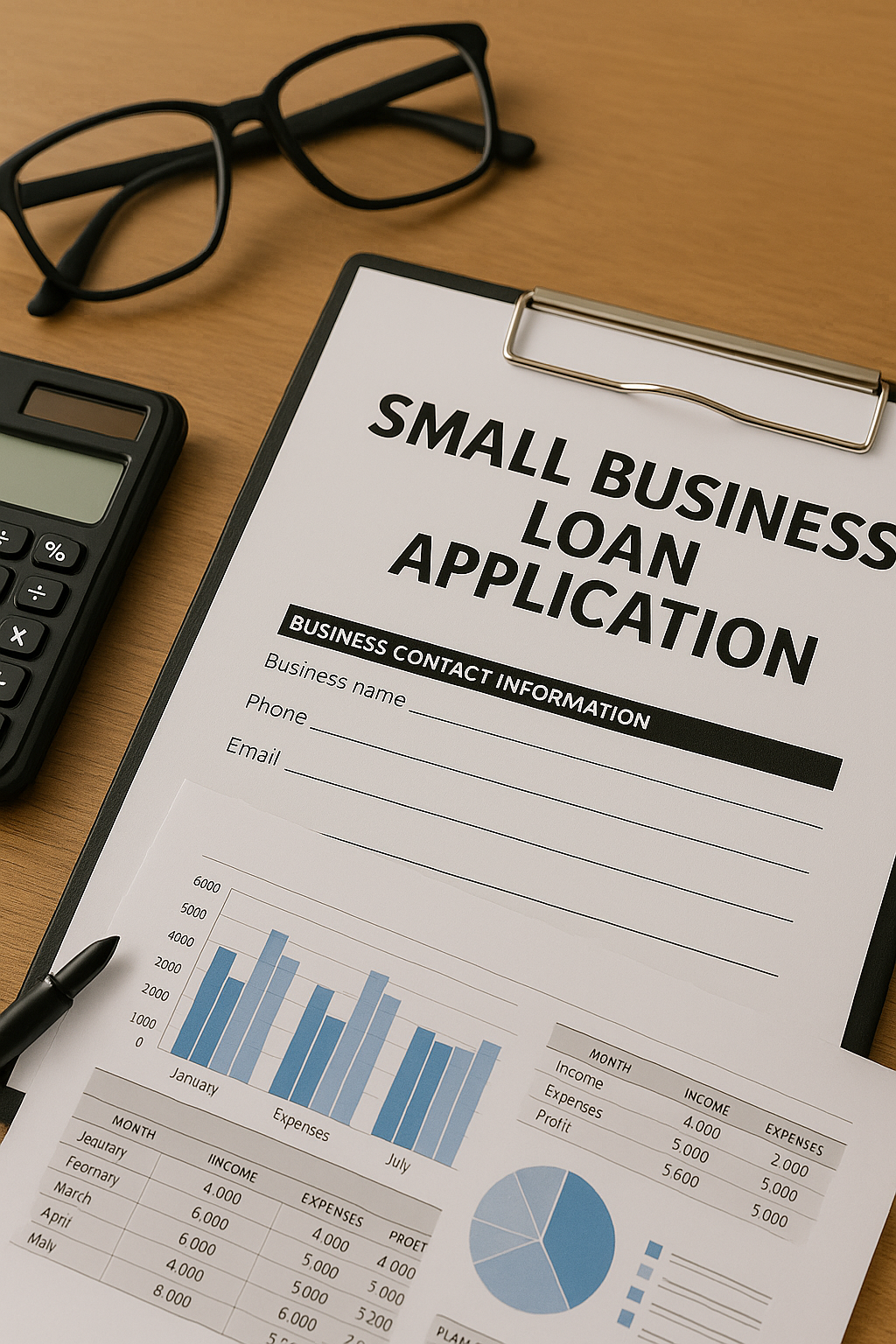
Underwriters decide from documents, not intentions. Missing items delay, and sometimes sink, applications. Prepare two years of tax returns and year-to-date financials. Include a current P&L, a recent balance sheet, and three months of statements. A tidy folder with clear labels reduces back-and-forth and speeds decisions.
2) Weak or missing business plan
A plan connects funding to results. Lenders want market context, sales channels, operating milestones, and repayment logic. Tie projections to historical performance and conservative assumptions. Detail how each dollar supports revenue or efficiency. A strong plan proves you know the market and your path.
3) Not understanding program requirements
Each product has distinct thresholds and covenants. Some require collateral or time in business. Others weigh recurring revenue and margins more heavily. Read program guides before you apply. Then apply only where you already match the basics. For specifics, see our loan requirements 2025 hub.
4) Overlooking personal and business credit
Credit health drives eligibility and pricing. Many owners fixate on business credit and forget personal files. Monitor both profiles for errors and high utilization. Reduce revolving balances below thirty percent. Pay every bill on time. Even modest improvements can unlock better pricing and higher limits.
5) Requesting the wrong loan amount
Requesting too little leaves the plan underfunded. Requesting too much signals poor planning or risk blindness. Build the request from actual uses and dated milestones. Use a business loan calculator to test repayment. Show your cushion under slow or seasonal months.
6) Hiding or downplaying business risks
Optimism helps leaders, but it can spook underwriters. If risks appear hidden, trust falls quickly. Acknowledge key risks and explain mitigations. Point to insurance, diversified customers, or alternate suppliers. Transparent risk controls build credibility and reduce subjective discounting.
7) Choosing the wrong lender
Banks, credit unions, CDFIs, and fintech lenders price and assess risk differently. A poor fit wastes time and energy. Short timelines or light collateral may favor fintech options. Long amortization or real estate needs may favor banks. Compare three choices and align the offer with cash flow.
8) Overlooking collateral and guarantees
Collateral lowers lender risk and shapes structure. Expect liens on equipment, receivables, or property. Some lenders also require personal guarantees. Discuss lien scope, filing order, and release points. Verify whether the lien is blanket or asset-specific. For deeper context, read The Role of Collateral in Small Business Loans.
9) Lacking a clear repayment strategy
Approval depends on believable repayment math. Provide coverage calculations and timing. Show payments within a conservative budget. Include a cash reserve for slow periods. Explain triggers that would prompt adjustments. Clarity lowers anxiety on the credit desk and accelerates approvals.
10) Ignoring fees and hidden clauses
Low rates can mask expensive fees or strict covenants. Ask for a full fee list and amortization schedule. Confirm prepayment rules, coverage tests, and cure periods. Compute total cost, not just the payment. Good borrowers compare structure, not only price.
11) Poor timing and messy books
Timing shapes how numbers appear on paper. Apply after healthy months, not during a dip. Avoid filing before reconciliations and tax submissions are complete. Keep books current and consistent with bank statements. Clean records reduce follow-up and rework.
12) Underestimating digital underwriting in 2025
Many lenders now use automated scoring and bank-data feeds. These tools reward steady deposits and accurate reporting. Export clean statements and standardized reports. Ensure merchant deposits and reconciliations match. Digital clarity shortens review cycles and improves outcomes.
13) Skipping professional guidance
Experienced advisors spot weak points quickly. Ask your accountant to review projections and debt schedules. Seek mentor feedback on assumptions and milestones. Their edits can prevent avoidable declines. A stronger file shortens review and raises approval odds.
Documentation checklist for a smoother review
Assemble a ready-to-send package before contacting lenders. Include two years of filed tax returns and current financials. Add a twelve-month cash flow forecast and debt schedule. Provide licenses, leases, major contracts, and insurance certificates. A single, organized folder signals control and maturity.
How to right-size the request and structure
Start with uses of funds and dated milestones. Price equipment, inventory, hiring, and marketing precisely. Choose terms that protect cash flow without ballooning cost. Fixed rates can stabilize margins in volatile climates. If possible, avoid structures that add hidden fees later.
Why avoiding mistakes matters in 2025

Standards are tighter, and competition for capital is intense. Errors create subjective doubt and slow decisions. Clean data, conservative math, and clear plans remove friction. Prepared owners win time, options, and better terms. That advantage compounds long after funding closes.
Conclusion and next steps
Avoiding common mistakes when applying for a business loan takes discipline and candor. Organize documents, right-size the request, and match product to purpose. Communicate clearly and set realistic expectations. For eligibility specifics and a document list, bookmark our hub: Small Business Loan Requirements in 2025. Use the hub to guide every step, from first draft to funding.
Sources
- U.S. Small Business Administration – Loan Programs
- Investopedia – Small Business Loan Mistakes
- NerdWallet – Best Small Business Loans
- Forbes Advisor – Business Loans Hub
Photo credit: Business Loan Press / Custom image created with AI assistance