How Middle East Peace Talks and Small Business Lending Intersect
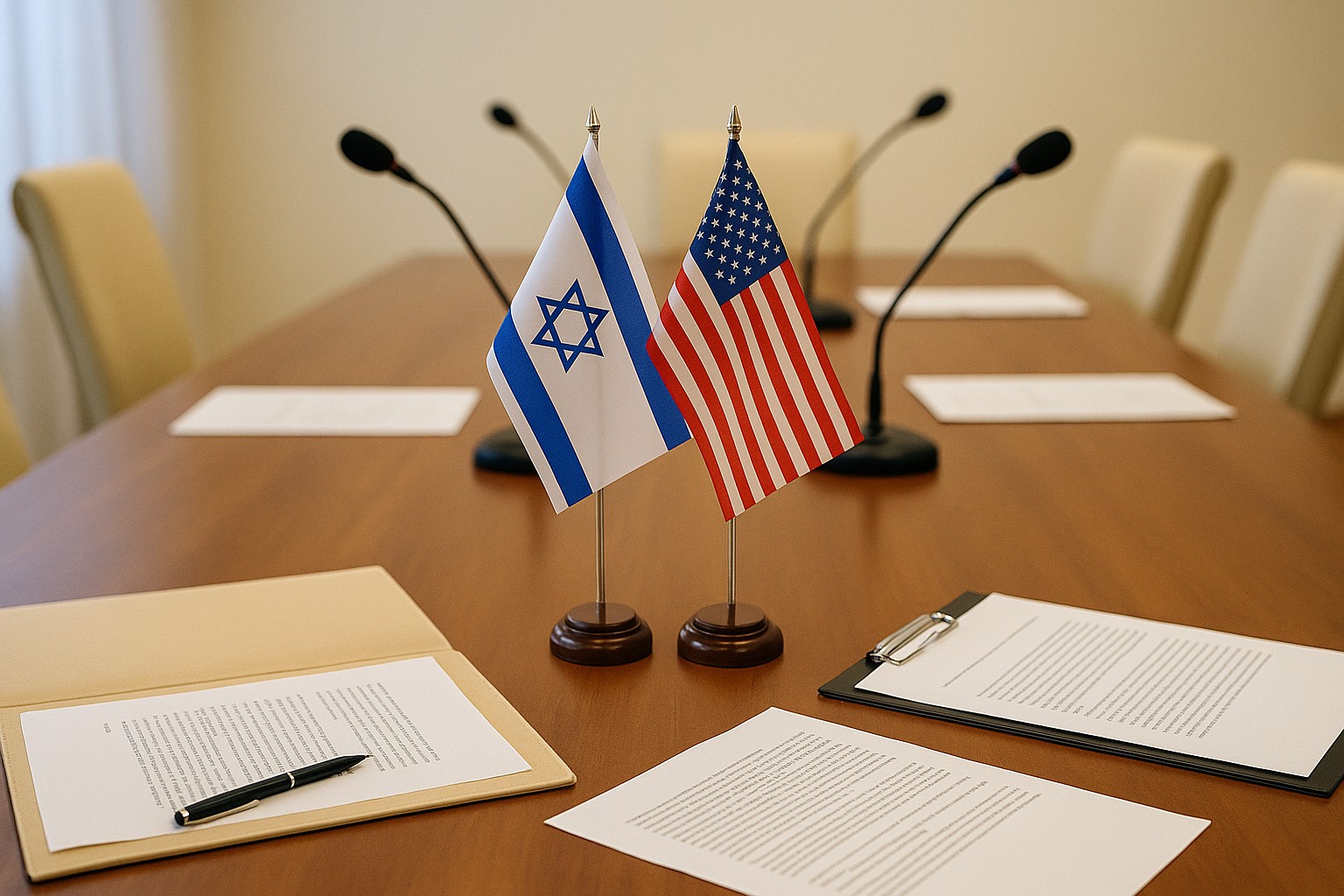
Banks react quickly to global signals. Lending decisions depend on perceived risk, capital costs, and liquidity. When instability rises, many lenders conserve capital by reducing exposure or demanding stricter covenants. When diplomacy advances, the opposite happens—credit access widens.
For example, improved relations can stabilize energy markets and lower freight costs. Those changes ripple through supply chains and affect profitability. Stable profits help strengthen loan applications and improve underwriting outcomes.
These dynamics show why world events and Main Street lending are never fully separate. Savvy borrowers watch both the markets and the news to time financing moves effectively.
Channel 1: Risk premium and funding costs
Credit spreads always include a risk premium. When peace efforts succeed, the premium shrinks. Rising tensions widen it. Even small basis-point shifts alter offered loan rates.
Ceasefire progress can calm oil markets and reduce volatility. When markets steady, lenders often reprice credit downward and extend maturities to reliable borrowers.
Channel 2: Bank risk appetite and capital allocation
Banks protect capital during uncertainty. When global risk falls, they allocate funds more freely. This affects approvals, covenants, and advance rates that small companies receive.
International stress can also influence domestic posture. When losses abroad mount, some institutions reduce home-market lending to preserve ratios. Borrowers may then face tighter documentation or lower advance percentages.
Channel 3: Supply chains and input costs
Peace stabilizes shipping lanes and fuel costs, lowering input volatility. Predictable expenses mean steadier cash flow, which underwriters reward with better terms.
Conflict reverses that trend. Higher transportation and energy costs shrink margins. Lenders notice and adjust credit structures to reflect rising risk.
Practical Steps for U.S. Small Business Owners
Track the same indicators lenders watch. The Federal Reserve Economic Data (FRED) site reports interest-rate spreads, volatility indexes, and loan statistics updated daily. These data reveal when markets feel comfortable or anxious.
Strengthen your internal numbers. Close books monthly, maintain rolling cash-flow forecasts, and document backup suppliers for key inputs. Preparing now ensures smoother approvals when demand rises for credit.
Model three potential outcomes. One assumes durable peace with stable prices. Another models a fragile truce with moderate swings. The third assumes renewed conflict, higher energy costs, and slower collections. Planning across all three protects flexibility.
Maintain optional financing channels. Compare fixed and floating rates. Keep lines of communication open with multiple lenders. Negotiating covenants while spreads remain narrow can secure lasting advantages.
Managing these details may sound tedious, yet it builds credibility. Bankers favor applicants who anticipate challenges and show disciplined financial habits.
How SBA Lending Fits the Picture
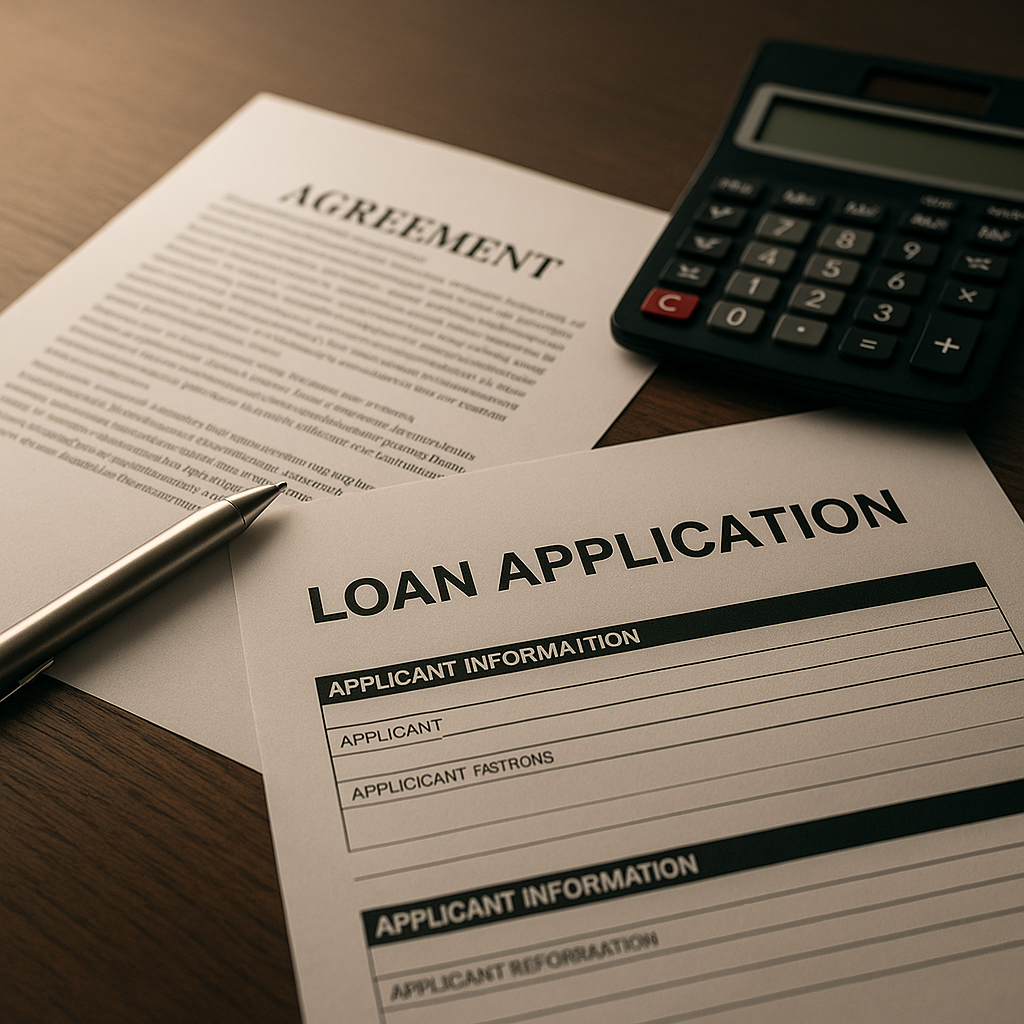
Programs from the U.S. Small Business Administration (SBA) often mirror private lender behavior. When risk declines, SBA partners process applications faster and may offer marginally lower fees.
Submit complete, well-organized packages early. Lenders reward preparation. Strong documentation shortens review cycles regardless of global tension.
For in-depth guidance, see our internal resources: SBA Loan Application Checklist & 30-Day Timeline and Applying for an SBA Loan: What Lenders Look For.
What Peace May Change—and What Stays the Same
Peace reduces uncertainty and encourages moderate easing in credit spreads. Tenors might extend and documentation lighten slightly. Yet fundamentals remain decisive—cash flow, collateral, and credit history still determine approval.
Expect gradual improvement rather than dramatic change. Banks move carefully and confirm that diplomacy lasts before shifting policy. A fragile truce provides only short-term relief.
Capital Markets Connection in Plain Language
Lender funding costs come from bond markets, which react instantly to world events. Peace talks calm volatility, lower spreads, and ease bank caution. When calm holds, small businesses often see longer maturities and steadier pricing.
Conversely, renewed conflict drives investors toward safety. Yields rise, liquidity tightens, and banks price that risk into every loan. Recognizing this chain helps entrepreneurs anticipate borrowing costs months ahead.
Understanding this link between diplomacy and credit markets turns global news into actionable intelligence for Main Street planning.
Looking Ahead: Signals That Matter Most
Watch durability, not headlines. Temporary ceasefires create short optimism. Only verified long-term agreements change lender behavior sustainably.
Monitor freight and bunker-fuel prices as early stress signals. Stabilizing logistics confirm calmer global conditions and reinforce lender confidence.
Track credit-market volatility on FRED. Lower volatility encourages banks to extend longer loans, reducing refinancing pressure for small enterprises.
Bottom Line
Diplomacy influences credit through sentiment, funding costs, and confidence. Ongoing Middle East peace talks and small business lending will remain connected. Peace encourages banks to lend more freely; conflict revives caution and slows approvals.
Control what you can. Keep records clean, protect liquidity, and build lender relationships. Owners who stay prepared benefit in any market cycle.
Sources
- Board of Governors of the Federal Reserve System. Financial Stability Report – May 2025. Available at federalreserve.gov.
- U.S. Small Business Administration. Business Loan Programs Overview. Accessed October 2025 from sba.gov.
- Federal Reserve Bank of St. Louis (FRED). 10-Year Treasury Constant Maturity Minus 2-Year Treasury Constant Maturity Spread (T10Y2Y). Accessed October 2025 at fred.stlouisfed.org.
- Reuters. “Oil Prices Ease on Hopes for Middle East Ceasefire.” Published September 2025. Retrieved from reuters.com.
- World Bank. Global Economic Prospects: Conflict and Fragility Outlook 2025. Available at worldbank.org.
Photo credits: Business Loan Press licensed images and in-house composites.