How the Presidential Election Affects the Economy
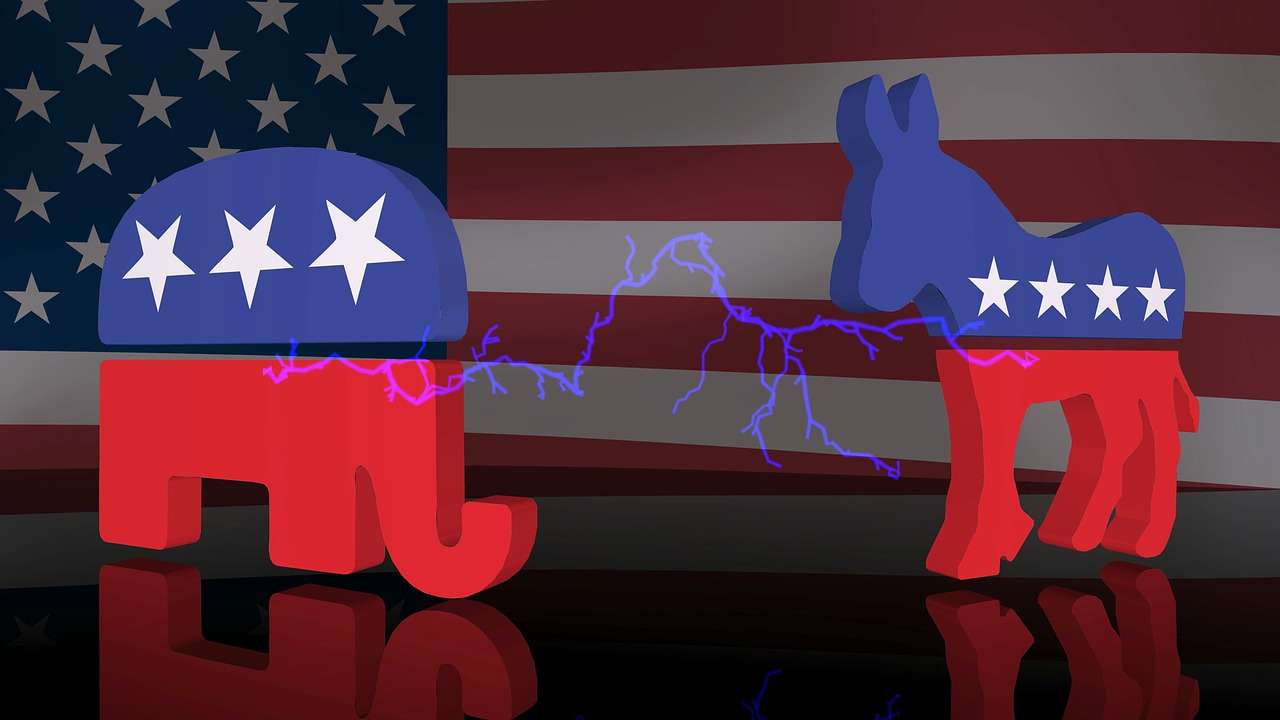
The economy often experiences fluctuations during election years. Markets react to uncertainty as they try to predict the policies of the incoming administration. Businesses, investors, and consumers tend to act more cautiously during this period. As a result, spending and investment slow down, potentially leading to economic instability.
Many factors contribute to economic shifts during an election year. Key factors include political uncertainty, market reactions, and anticipated changes in policies. These shifts may affect the Federal Reserve’s decisions regarding interest rates, which can directly influence loan rates for small businesses.
The Role of the Federal Reserve
The Federal Reserve, or “the Fed,” plays a crucial role in setting interest rates. It adjusts the federal funds rate, which is the rate at which banks lend to each other overnight. When the federal funds rate changes, it influences other interest rates, including those for small business loans.
The Fed may lower interest rates to encourage borrowing and investment during times of economic uncertainty. Alternatively, if inflation is a concern, it may raise rates to cool down the economy. While the Fed is an independent entity, its decisions can be influenced by the economic conditions that develop around a presidential election.
The Impact of A Presidential Election on Economic Policies and Small Business Loans
Presidential candidates often propose different economic policies during their campaigns. These proposals may include tax cuts, regulatory changes, or spending programs. Depending on who wins, these policies can have a significant impact on the economy.
For example, if a president implements tax cuts or government spending programs, it could stimulate the economy. This might lead to a lower risk of inflation and potentially lower interest rates. However, if policies result in higher government debt or inflation concerns, the Fed may raise interest rates, making borrowing more expensive for small businesses.
Small business loan interest rates are directly affected by these broader economic trends. When interest rates rise, it becomes more expensive for small businesses to take out loans. Conversely, when rates are lower, businesses have easier access to capital, which can help them grow.
Investor Confidence and Market Stability
Investor confidence is another factor that can shift during a presidential election. When markets are uncertain about the future, investors tend to be more conservative. This can lead to reduced investment in businesses and slower growth.
If investors believe that the incoming administration will implement business-friendly policies, confidence may increase, stabilizing the markets. On the other hand, if policies appear likely to disrupt key industries, investor confidence may drop, affecting the overall economy. This instability can influence interest rates, including those for small business loans.
Post-Election Effects
After a president is elected, markets often settle as uncertainty decreases. However, the true impact of an election on small business loan interest rates may not be felt immediately. It can take months for new policies to be implemented and for their effects to ripple through the economy.
For instance, if a president enacts stimulus measures, it could boost consumer spending, leading to economic growth. As a result, small businesses may experience an increase in demand, making it easier to repay loans. Alternatively, if government spending increases national debt, inflation could rise, prompting the Fed to raise interest rates.
Preparing for Economic Uncertainty After a Presidential Election
Small business owners should prepare for potential interest rate changes during an election year. One way to do this is by maintaining a strong financial position. Businesses that have healthy cash reserves and manageable debt levels are better equipped to handle fluctuating interest rates.
Another strategy is to secure financing early. If you anticipate that rates may rise, locking in a low-interest loan before the election can be a smart move. Many small businesses choose to refinance existing loans or take out new ones before uncertainty increases.
Additionally, staying informed about each candidate’s economic platform can help business owners anticipate how policies may affect them. Consider working with a financial advisor who understands the potential economic changes tied to an election.
Key Takeaways for Small Businesses
The presidential election can have a significant impact on the economy, particularly in terms of interest rates. While no one can predict exactly how rates will change, understanding the factors at play can help small businesses prepare.
Key takeaways include:
- Economic policies proposed by each candidate can influence the Fed’s interest rate decisions.
- Investor confidence and market stability tend to fluctuate during an election year.
- Small business loan rates may rise or fall depending on the broader economic environment.
- Preparing financially by securing low-interest loans early can help mitigate the risk of rising rates.
While the election cycle creates uncertainty, being proactive can protect your business from unexpected economic changes. Understanding how presidential elections affect small business loan interest rates allows you to navigate the shifting landscape more confidently.
In conclusion
In conclusion, the outcome of a presidential election can significantly influence the economy and small business loan interest rates. The uncertainty surrounding elections, coupled with potential changes in economic policies, impacts investor confidence and market stability. By understanding these factors and preparing financially, small business owners can navigate the shifting landscape and safeguard their business.
Securing financing early, staying informed about candidates’ economic platforms, and maintaining a strong financial position are key strategies to weather potential rate changes during election cycles. By preparing for potential economic changes during an election year, your business can remain resilient. Understanding how the presidential election impacts small business loan interest rates is the first step in creating a solid financial strategy
Sources:
- Federal Reserve: “How Monetary Policy Affects the Economy”
- U.S. Small Business Administration: “Financing Options for Small Businesses”
- Investopedia: “Election Effects on the Economy”
- The Balance: “How Presidential Elections Influence the Economy”
- Forbes: “The Federal Reserve and Interest Rates: What Small Business Owners Need to Know”
By preparing for potential economic changes during an election year, your business can remain resilient. Understanding how the presidential election impacts small business loan interest rates is the first step in creating a solid financial strategy.
Photos Courtesy of Free Pik