Natural disasters, such as hurricanes, can significantly disrupt small businesses. These storms bring powerful winds, heavy rain, and flooding, which can cause severe damage. A hurricane can knock out power, halt operations, and affect businesses both in the short term and long term. For small businesses, …
Choosing between fixed and variable interest rates shapes your loan cost and monthly cash flow. Fixed rates offer stability and predictable payments, which help with budgeting and long-term planning. Variable rates usually start lower and can save money if market rates drop, but they introduce payment …
Presidential election years often bring uncertainty and change for small business owners. During these years, shifts in policies, regulations, and overall economic stability can create uncertainty in the lending market. Small business loans are no exception. Understanding how a presidential election year might affect small business …
The Federal Reserve (the Fed) plays a crucial role in the U.S. economy. It influences interest rates, inflation, and borrowing conditions. When the Fed makes changes, the ripple effect can be felt across many areas, including small business loans. Understanding how these shifts impact small business …
The U.S. economic status and federal fund rates directly impact small business loan interest rates. When the economy is strong, interest rates tend to rise as the Federal Reserve aims to control inflation. Conversely, during economic downturns, the Federal Reserve may lower rates to encourage borrowing …
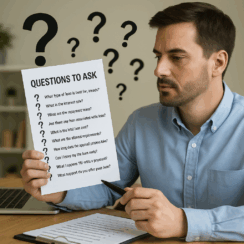
Applying for a loan can be a complex process. Knowing the right questions to ask can help clarify terms, interest rates, and repayment conditions. We are providing you with the top 10 questions that you must ask your lender before applying for a small business loan.