
Accounts payable management determines how long cash remains inside a business before leaving to satisfy obligations. Disciplined accounts payable management protects working capital, strengthens vendor relationships, and reduces unnecessary borrowing. Payment timing decisions can influence liquidity even when short-term revenue appears healthy.
Strong sales cannot compensate for poorly coordinated outgoing payments. Businesses that release cash without strategy often create avoidable strain on operations. Liquidity pressure usually begins quietly before appearing in financial reports.

What Is Accounts Payable Management?
Accounts payable management is the structured process of controlling when and how a business pays its suppliers, vendors, and recurring obligations in order to protect liquidity and working capital. It focuses on payment timing, vendor terms, approval systems, and coordination with incoming cash flow.
Accounts payable represents obligations that must be settled within agreed terms. These commitments include suppliers, contractors, rent, software subscriptions, inventory purchases, and service providers. How and when these payments are made directly influences liquidity stability.
Why Accounts Payable Management Affects Working Capital
Working capital measures the difference between current assets and current liabilities. When outgoing payments mature faster than receivables convert into cash, strain develops. This mismatch weakens liquidity even when profitability appears stable.
According to the Investopedia definition of working capital, liquidity reflects operational efficiency rather than revenue alone. Structured payables oversight therefore becomes a strategic financial function.
Effective accounts payable management extends the time cash remains productive inside the business. That flexibility allows leadership to fund payroll, inventory expansion, marketing initiatives, and equipment upgrades without unnecessary external financing.
Three Core Goals of Effective Payables Oversight
- Preserve liquidity by aligning outgoing payments with expected inflows.
- Maintain vendor trust through predictable and consistent payment behavior.
- Support working capital stability by preventing avoidable cash shortages.
These goals operate together rather than independently. A payment strategy that preserves liquidity but damages supplier relationships is unsustainable. Effective accounts payable management balances both priorities.
Businesses that ignore structured payables review often discover problems only after cash balances shrink. At that stage, solutions become reactive rather than strategic.
Accounts Payable Management and Cash Flow Stability

Cash flow stability depends on coordinating outgoing payments with incoming revenue. When supplier terms require payment in fifteen days but customers pay in forty-five, strain develops. Businesses effectively finance operations internally during that timing gap.
This imbalance often leads owners to consider external funding. Our guide on working capital financing options explains when borrowing may provide temporary support. Improving accounts payable management frequently reduces the need for reactive loans.
Extending payment timing within agreed terms can improve short-term liquidity without harming supplier trust. Conversely, early payment without analysis may reduce flexibility during unexpected downturns.
Accounts Receivable vs. Payables Control
Accounts receivable controls money coming into the business. Accounts payable management controls money leaving the business. Liquidity depends on coordinating both functions rather than prioritizing one.
Review our companion article on accounts receivable management strategies to understand how inflows affect liquidity. Together, receivables and payables form the operational core of working capital management.
When both systems operate in isolation, forecasting becomes unreliable. Integrated oversight allows leaders to anticipate pressure before it appears in monthly statements.
Strategic Payment Timing Without Damaging Vendor Relationships
Effective payables strategy does not require delaying payments irresponsibly. It requires honoring agreed terms while avoiding unnecessary early disbursement. Payment timing should be intentional rather than automatic.
Vendors value predictability and communication. Consistent payment cycles strengthen supplier relationships and improve negotiating leverage over time. Transparency prevents misunderstandings during temporary liquidity constraints.
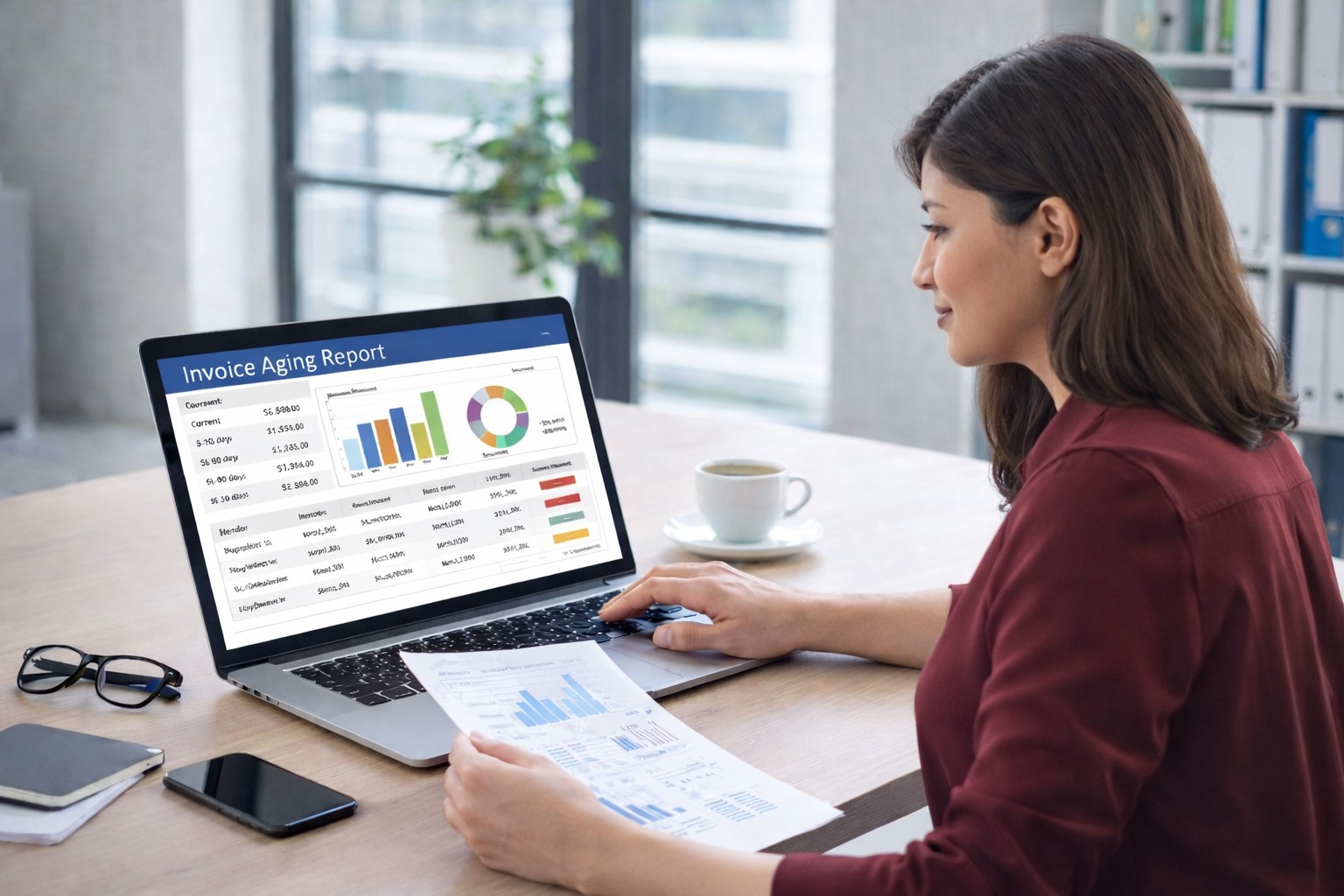
Accounts payable management also includes reviewing vendor terms periodically. Negotiating longer payment windows during growth phases may improve liquidity without increasing borrowing risk.
Evaluating Early Payment Discounts
Some suppliers offer discounts for early payment. While these incentives appear attractive, disciplined analysis is essential. Cash used prematurely reduces operational flexibility.
If liquidity reserves are strong, early discounts may produce guaranteed savings. If balances are tight, preserving flexibility may be more valuable than small percentage reductions. Strategic evaluation prevents short-term decisions from creating long-term pressure.
Leadership must compare the discount rate against potential financing costs. When discount savings exceed likely borrowing expenses, early payment may be justified.
How Weak Payment Controls Increase Borrowing Risk
Uncoordinated payment practices often create artificial liquidity crises. Owners sometimes accelerate payments out of caution or habit rather than strategy. Cash leaves the business before it is operationally necessary.
This pattern frequently triggers short-term borrowing. Businesses assume financing costs to compensate for timing decisions that could have been managed internally. Our analysis of short-term borrowing risks explains how repeated emergency funding erodes resilience.
Over time, reliance on reactive borrowing increases financial vulnerability. Structured accounts payable management reduces exposure to this cycle.
Technology Systems That Strengthen Payables Oversight
Modern accounting platforms enable scheduled approvals, real-time obligation tracking, and liquidity forecasting. Visibility into upcoming liabilities improves decision-making accuracy. Businesses can anticipate liquidity dips before payments clear.
Research from the Federal Reserve Small Business Credit Survey provides useful insight into the financial pressures small businesses face, including cash-flow challenges and access to credit. Disciplined accounts payable management can help businesses respond to those pressures more deliberately.
Automation also reduces human error. Duplicate payments, overlooked invoices, and inconsistent approval chains often undermine liquidity more than leadership realizes.
Building Payment Discipline into Leadership Routines
Accounts payable management should be reviewed routinely rather than only during financial stress. Monthly cash flow meetings, vendor term evaluations, and forecast comparisons create accountability. Structured oversight reduces reactive decision-making.
Payment timing may appear minor compared with revenue generation. In practice, disciplined payables control can have a significant effect on liquidity and borrowing needs. Businesses that manage payment timing carefully preserve working capital, reduce borrowing dependence, and protect operational flexibility.
Ultimately, accounts payable management is not merely an accounting detail. It is a leadership discipline that directly influences resilience, borrowing capacity, and long-term growth potential.
Financial Information Disclaimer: This content is for general educational purposes only and does not provide financial, legal, or tax advice. Consult qualified professionals for guidance specific to your situation.
Amazon Affiliate Disclosure: As an Amazon Associate, we may earn from qualifying purchases without any additional cost to you.
Photo Credit: All images © Sloan Digital Publishing and licensed stock sources. Used with permission.