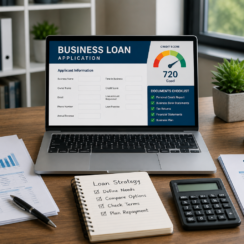
Business loans for women entrepreneurs can help fund startup costs, equipment, inventory, hiring, marketing, and growth. This guide explains SBA loans, microloans, grants, alternative financing, lender challenges, credit preparation, discrimination concerns, and practical steps women business owners can take before applying.
Cash flow forecasting helps business owners see upcoming cash gaps, plan expenses, reduce surprises, and make better borrowing decisions.
UCC liens can affect SBA loans, bank financing, collateral, and closing timelines. This guide explains how to search for a UCC filing, read the collateral language, identify the secured party, request a UCC-3 termination or release, and confirm that the record has been updated.
Predatory lenders can make fast business funding look simple, but bad loan terms may create serious financial strain. This guide explains warning signs, risky loan structures, questions to ask before signing, safer alternatives, and steps to take if you already accepted a difficult loan.
A business cash reserve can help protect your company from late payments, slow seasons, surprise expenses, and unnecessary borrowing. This article explains how small business owners can start building a reserve even when money already feels tight. It covers realistic savings targets, small weekly transfers, separate …
Improve cash flow with a loan by choosing financing that fits a real business need. This article explains when borrowing may help with invoice gaps, seasonal slowdowns, inventory costs, equipment needs, or planned growth. It also covers common loan options, including business lines of credit, term …
Knowing whether you qualify for a business loan starts before you submit an application. This guide explains the questions lenders often ask about cash flow, credit, documents, collateral, banking activity, and repayment ability so owners can prepare more confidently.
Getting a small business loan without collateral is challenging but possible. Learn how lenders assess risk, what documents you’ll need, and which unsecured financing options can work for you.
Startup funding options can help new business owners launch, grow, or stabilize a young company, but each choice comes with trade-offs. This guide explains self-funding, friends and family, small business loans, SBA loans, grants, crowdfunding, angel investors, and venture capital so owners can compare cost, control, …