
g
An inaccurate business credit report can complicate a loan application before underwriting begins. A wrong balance or payment record may make the company appear riskier. Finding business credit report errors early gives an owner more time to respond.
Business credit is not stored in one universal file. Instead, lenders may consult different commercial reporting companies or rely partly on their own data. Some also review an owner’s personal credit when the loan requires it.
This guide explains how to inspect commercial reports, challenge inaccurate information, and build a useful paper trail. No correction can guarantee approval, but accurate records support a fairer review.
Why Business Credit Reports Deserve an Early Review
A commercial report can influence financing, supplier terms, equipment leases, and insurance decisions. It may contain company details, payment experiences, inquiries, and public-record information, with each provider organizing that data differently.
A lender may not use the same report that an owner normally monitors. Reviewing only one provider can therefore leave another file unchecked, so start several weeks before applying whenever possible.
Most corrections require documents, follow-up, and time for review. A dispute started just before applying may remain open when the lender pulls its report. Beginning early is especially helpful before a large or time-sensitive request.
Obtain Reports From the Major Commercial Providers
The SBA identifies Dun & Bradstreet, Experian, and Equifax among commercial reporting services. Their access options, report contents, and prices can differ. Consumer-report rules do not automatically make every business report free. Check the terms before ordering.
Use the company’s exact legal name, address, and identifying details during each search. Then confirm that the resulting file belongs to your business. Companies with similar names can otherwise be difficult to distinguish.
Save the complete report and record the date obtained because a score alone does not reveal the underlying data. Keep the exact report version used for every dispute.
How to Find Business Credit Report Errors
Begin with the company identity section, checking the legal name, trade names, address, industry classification, ownership, and operating status. Outdated details can connect information incorrectly or confuse a lender.
After confirming the company details, inspect each payment experience and credit account. Compare balances, limits, payment status, and reporting dates with your records. This review may uncover duplicate accounts, unfamiliar obligations, or paid debts still shown as outstanding.
A stale lien or judgment may require action outside the reporting company, so review public records and legal events carefully. Our guide to finding and clearing a UCC lien explains that separate process.

Separate Inaccurate Information From Unfavorable Information
A valid dispute identifies information that is incomplete, outdated, duplicated, or factually wrong. By contrast, an accurate late payment is not an error merely because it lowers the score. Reporting companies may reject requests aimed only at removing accurate negative information.
Do not confuse a missing positive account with a false negative account. Some vendors and lenders report to only selected providers, and a bureau may decline information it cannot verify.
Owners can still explain accurate problems to a lender. A useful explanation describes what happened and how it was resolved. It can also note steps taken to prevent recurrence. Keep every claim factual and supported by records.
Build Evidence Before Starting a Dispute
The clearest disputes isolate one item and explain exactly what is wrong. Supporting evidence may include statements, payment confirmations, payoff letters, contracts, invoices, or public records. Each document should connect the business directly to the disputed account.
Create a simple dispute log before submitting anything, recording the provider, report date, disputed item, requested correction, and supporting documents. Add confirmation numbers and communication dates as the case develops.
Protect sensitive information while preparing the file. Send only what the provider requests, and use its authorized channel. Tax identifiers and bank records should never go to an unverified address.
Use Each Provider’s Current Correction Process
Commercial reporting companies maintain their own review and correction procedures. Experian provides a business-report dispute route through its Business Information Services inquiry page. Dun & Bradstreet accepts profile updates and certain disputes through D-U-N-S Profile Manager.
Equifax directs commercial customers to its business support channels. Because instructions and product access can change, begin from the provider’s official website rather than an unsolicited service link.
Within that process, state the requested result clearly and attach readable evidence. Request correction, deletion, or reinvestigation only when the facts support it. Finally, save the submission screen, confirmation, and every response.
Do Not Assume Consumer Deadlines Apply
Federal consumer-credit protections do not automatically govern a company’s commercial report. The FTC has noted no federal law specifically defines correction protections for small-business reports. Therefore, avoid promising a universal investigation deadline.
Personal credit is a different issue. Fair Credit Reporting Act protections may apply when a lender reviews an individual’s consumer report. Errors in that report belong in the appropriate consumer dispute process.
Because these are separate systems, owners may need to correct both files independently. Changing a personal report will not automatically update the company’s commercial file. Likewise, a business dispute may have no effect on personal credit.
Contact the Creditor or Public Agency When Needed
The reporting company may seek confirmation from the organization that supplied the disputed data. When statements or payment records conflict, contact that creditor directly. A written correction or account-status letter can strengthen the supporting file.
Public-record problems may require a different remedy because a bureau generally cannot release a lien or change an official filing. Depending on the record, the owner may need the creditor, filing office, court, or a qualified attorney.
Do not send conflicting explanations to different parties. Use the same dates, balances, and supporting records throughout the process so the request remains easy to understand and verify.
Confirm the Correction Before Applying
A completed-review notice is not the same as a corrected report. Return to the provider and inspect an updated copy, confirming that the disputed field now shows the expected information.
Then check whether the correction affected related information. A changed balance may influence payment history, utilization, or a commercial score. Score movement is possible, but it is not guaranteed.
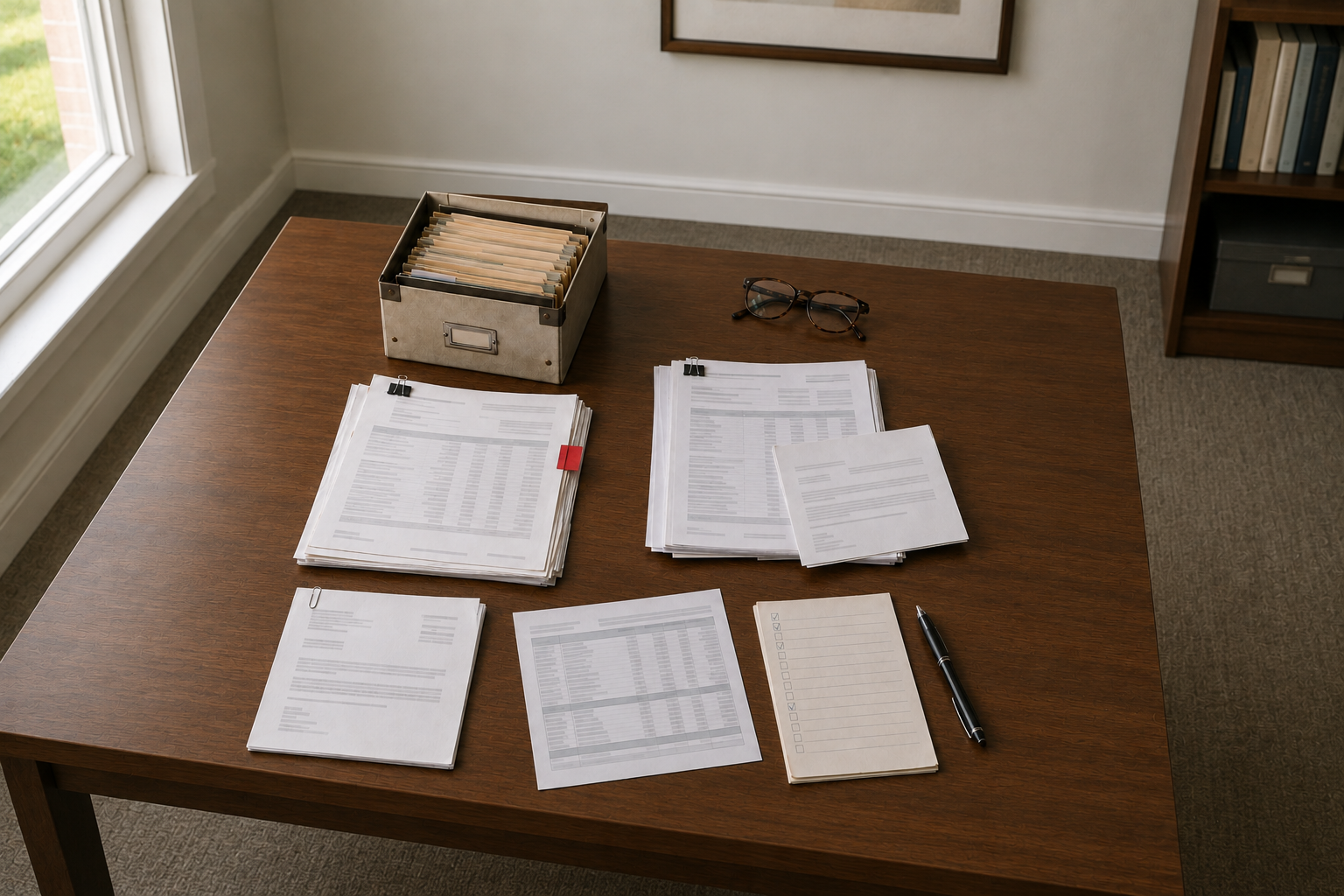
Save the updated report beside the original version, with the decision letter and evidence in the same folder. That paper trail can help if the item returns or a lender later asks questions.
Prepare for an Unresolved Item
Sometimes financing cannot wait for a dispute to be resolved. In that situation, tell the lender about any significant disputed item before it creates confusion. Provide the original report, supporting evidence, dispute confirmation, and current status.
Ask whether the lender can consider supplementary documentation. The lender still controls underwriting and may rely on its report, so even a strong explanation cannot require approval.
Even a corrected report addresses only one part of underwriting. Lenders may still examine cash flow, collateral, existing debt, and supporting documents. Those areas should receive the same careful review.
Our guides to checking whether you qualify for a business loan and common business loan requirements cover those areas. Review them before choosing a lender; a complete file can reduce avoidable follow-up questions.
Avoid Costly Credit-Repair Promises
A difficult correction can make guaranteed solutions sound appealing. However, no service can legitimately promise removal of accurate information or a specific score increase. Treat high-pressure sales language as a reason for closer review.
An owner can usually submit factual corrections directly through the reporting provider. Identity theft, fraud, or complicated legal records may require professional help tailored to the actual problem.
Never create false documents or a new company identity to escape accurate history. Misrepresentation can damage lender trust. It can also create legal consequences. Accurate records and honest explanations are safer.
Final Checklist Before the Loan Application
- Order or access reports from the commercial providers a lender may use.
- Confirm the company identity and search for duplicate files.
- Compare accounts, balances, payments, inquiries, and public records.
- Separate factual errors from accurate negative information.
- Collect evidence and create a dated dispute log.
- Use each provider’s official correction channel.
- Contact the creditor or public agency when required.
- Review the updated report and save confirmation.
- Explain any unresolved item clearly to the lender.
Give the Lender an Accurate Starting Point
Business credit report errors can raise questions unrelated to the company’s true repayment ability. Reviewing each file early gives the owner time to prove what is wrong without adding a rushed dispute to underwriting.
The goal is not a perfect-looking report. It is a report that lets lenders evaluate the real company instead of a duplicate account or outdated record. Reaching that point requires checking each major file. It also requires confirming every completed correction.
If an issue remains unresolved, a clear paper trail still gives the owner something credible to present. An accurate report cannot guarantee approval, but it removes an avoidable source of doubt. The application can then stand on the company’s actual credit history, finances, and ability to repay.
Sources
- U.S. Small Business Administration: Plan Your Business
- Federal Trade Commission: Inquiry Into Small-Business Credit Reports
- Experian Business Information Services: Report Disputes
- Dun & Bradstreet: D-U-N-S Profile Manager
- Equifax Business Support
Disclaimer: This article is for general educational purposes only and is not financial, legal, tax, lending, or investment advice. Reporting procedures and lender requirements can change. Consult the appropriate reporting company, creditor, lender, attorney, or adviser for your circumstances.
Photo Credit: All images © Sloan Digital Publishing. Used with permission.