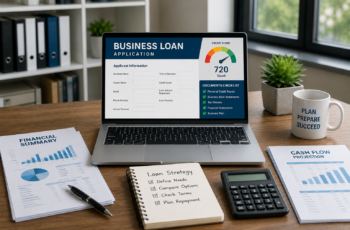

Learning how to apply for a small business loan safely can protect your business before you ever sign an agreement. Many owners focus only on getting approved. Approval is important, but it is not the only goal.
A safe loan application process also means checking the lender, preparing accurate documents, reviewing repayment terms, and watching for warning signs. A loan should help the business move forward. It should not create confusion, pressure, or repayment strain that the owner did not expect.
Before you apply for a small business loan, slow down enough to review the whole process. A careful application can improve your chances of approval and help you avoid unsafe lending practices.
Why Safe Loan Applications Matter
A small business loan can help with working capital, equipment, inventory, expansion, refinancing, or seasonal needs. Used carefully, financing can support a clear business purpose. Used carelessly, it can create payments the business cannot handle.
The safest application process begins before the lender asks for paperwork. Owners should know why they need the loan, how much they need, how the money will be used, and how repayment will fit into cash flow.
Some lenders are helpful and responsible. Others may use confusing terms, high-pressure tactics, or costly repayment structures. That is why owners should prepare before applying and avoid rushing into the first offer they receive.
Before beginning the process, review why cash flow comes before a business loan application. If the future payment does not fit the business, approval may become a problem instead of a solution.
Know Why You Need the Loan
Before you apply for a small business loan, write down the purpose of the money. Be specific. “I need cash” is not enough to guide a safe borrowing decision.
A stronger purpose might be buying equipment, covering a seasonal inventory order, repairing a delivery vehicle, refinancing an expensive loan, or supporting a planned expansion. A clear purpose helps you decide what type of financing makes sense.
It also helps lenders understand the request. A lender may ask how the funds will be used and how the loan will strengthen the business. Clear answers can make the application easier to review.
Borrowing without a clear purpose can lead to trouble. If the money only covers an ongoing shortage, the business may need a deeper cash flow review before taking on new debt.
Check Your Cash Flow Before You Apply
Cash flow should be reviewed before any loan application is submitted. A business may be profitable on paper but still struggle with timing. Loan payments come due on a schedule, even when customers pay late or sales slow down.
Start by reviewing recent income, expenses, existing debt payments, taxes, payroll, inventory needs, and seasonal patterns. Then estimate whether the business can handle a new payment during both strong and slower months.
A business loan calculator can help owners test possible payments before applying. For more help, review using a business loan calculator to plan your repayment strategy. The goal is to see whether the numbers work before the lender offers terms.
If the projected payment looks tight, applying may still be possible, but the owner should be cautious. A smaller loan, longer preparation period, different financing option, or delayed purchase may be safer.
Review Your Credit and Financial Position
Lenders often review both business and personal financial information. The details depend on the lender, loan type, business age, and ownership structure. Newer businesses may face more personal review than established businesses.
Before applying, check your business credit if available. Also review personal credit, especially if the lender may require a personal guarantee. Errors, unpaid balances, high utilization, or old issues may affect approval or pricing.
Owners should also review current debt. Lenders may consider existing loan payments, credit card balances, tax obligations, leases, and other financial responsibilities. Too much existing debt can weaken an application.
If credit needs work, review how to improve your credit score before applying for a business loan. Waiting long enough to correct problems may lead to better options later.
Choose the Right Type of Lender
Different lenders serve different business needs. Banks, credit unions, SBA-participating lenders, online lenders, community development lenders, and specialized finance companies may all have different requirements. The best choice depends on the business and the purpose of the loan.
The U.S. Small Business Administration does not work like a typical direct lender for most standard business loans. SBA-backed loan programs generally involve loans made by approved lenders and guaranteed in part by the SBA. Owners should still compare the lender, terms, fees, and repayment requirements carefully.
Some owners may start with lenders they already know. Others may compare several providers before deciding where to apply. That comparison can help reveal large differences in cost, approval standards, documentation, and repayment structure.
For broader context, review when to use different small business lenders for a business loan. Matching the lender to the need is part of applying safely.
Watch for Unsafe Lending Practices
Not every lender or financing provider uses fair, clear, or responsible practices. Some may pressure owners to sign quickly. Others may hide costs, avoid direct answers, or use language that makes the agreement difficult to understand.
Unsafe lending practices may include high-pressure sales tactics, unclear payment schedules, unusually high costs, confusing fees, or promises that sound too easy. A lender should not ask an owner to lie on an application, leave blanks in signed documents, or sign before reviewing the full agreement.
Owners should also be cautious with guaranteed approval claims. Real lenders usually need to review credit, revenue, business history, debt, and repayment ability. A promise of easy funding with no meaningful review can be a warning sign.
For a deeper warning list, review how to avoid predatory lenders and bad loan terms. The Federal Trade Commission also provides small-business scam resources to help owners protect their businesses.
Prepare Your Documents Before Applying
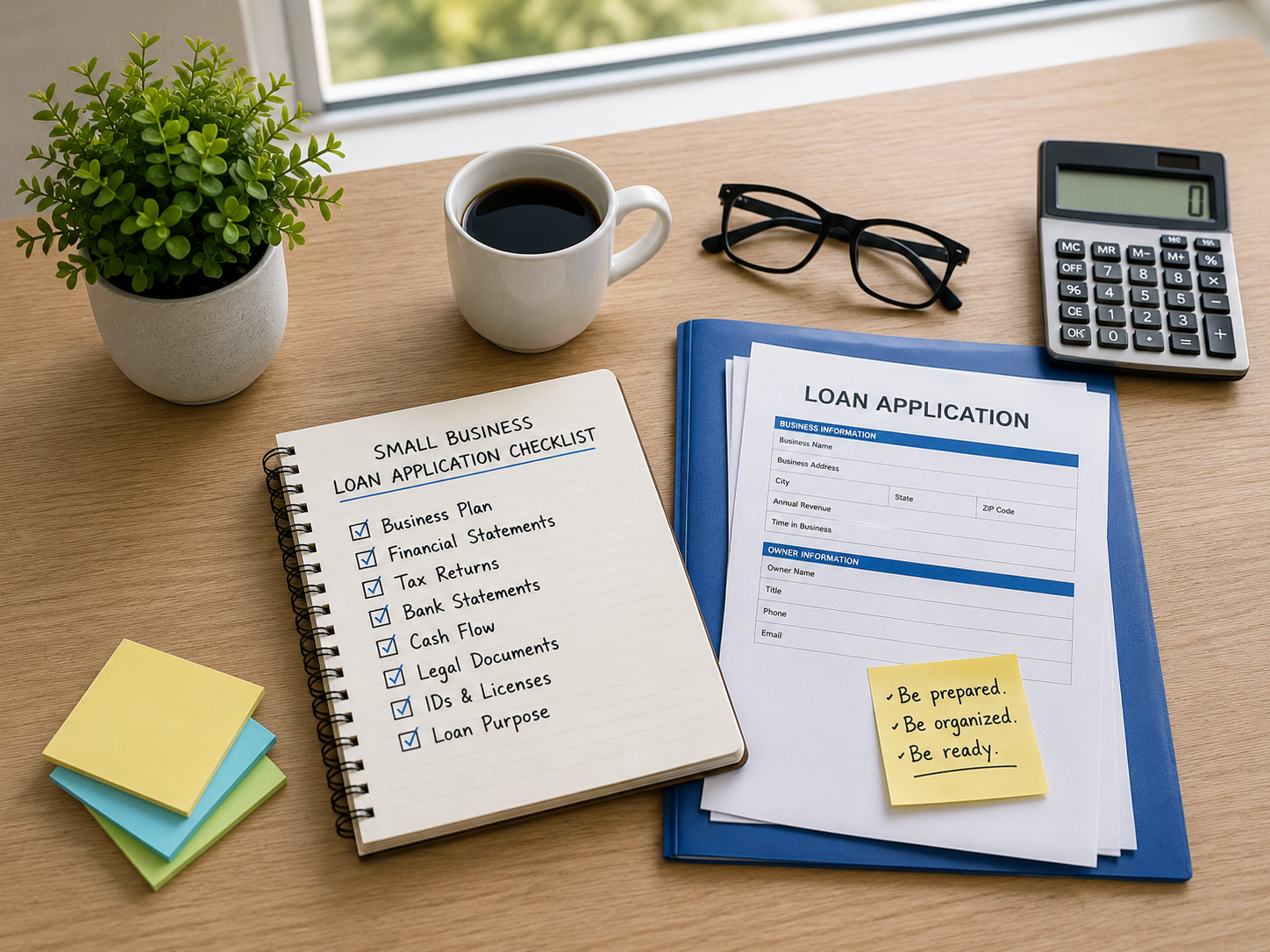
A safe application is easier when documents are organized before the owner begins. This can reduce mistakes, missing information, and rushed decisions. It also helps the owner compare lenders more confidently.
Common documents may include business tax returns, personal tax returns, profit and loss statements, balance sheets, bank statements, business licenses, ownership records, leases, debt schedules, and legal formation documents. Requirements vary by lender and loan type.
Some lenders may request a business plan, revenue projections, accounts receivable reports, equipment quotes, purchase agreements, or a written explanation of how the money will be used. SBA-backed loans may require additional forms and lender-specific documentation.
Owners should keep copies of everything submitted. They should also make sure the information is accurate and consistent. Incorrect or incomplete documents can slow approval or create problems later.
Be Honest and Complete on the Application
Loan applications should be completed honestly and carefully. Never exaggerate revenue, hide debt, change dates, or leave important information out because it seems inconvenient. A lender may verify the information during underwriting.
If a question is unclear, ask before answering. Guessing can create errors. It is better to pause and get clarification than to submit inaccurate information.
Owners should also avoid signing blank or incomplete forms. If a lender says the missing details will be filled in later, that is a serious concern. The owner should see and understand what is being signed.
A safe application process protects both the lender and the borrower. Accurate information helps the lender evaluate the loan, and it helps the owner avoid borrowing more than the business can reasonably repay.
Compare More Than One Loan Offer
Approval from one lender does not mean the owner should stop comparing. Loan offers can vary widely in interest rate, fees, repayment length, collateral, personal guarantee, payment schedule, and total cost.
Before signing, compare more than the monthly payment. A lower payment may come with a longer repayment term, higher total cost, or fees that reduce the benefit. A faster approval may also carry a higher price.
Owners should review how to compare business loan offers before signing. A side-by-side comparison can make confusing terms easier to understand.
When possible, compare at least two or three offers. If only one lender is available, compare that offer against the business’s cash flow, repayment ability, and alternatives. The decision should still be reviewed carefully.
Read the Full Loan Agreement Before Signing
A loan agreement should not be treated as a formality. It controls repayment, fees, default rules, collateral, guarantees, and the lender’s rights. Owners should read the full document before signing.
Important items to review include the interest rate, annual percentage rate if provided, fees, repayment term, payment amount, payment frequency, prepayment rules, late fees, default terms, collateral requirements, and personal guarantee language.
Owners should also ask what happens if revenue slows, a payment is missed, or the business needs to repay early. These details can affect the true safety of the loan. A good offer should still make sense after the difficult questions are asked.
If the agreement is confusing, ask for time to review it with a CPA, attorney, bookkeeper, or trusted adviser. A lender that refuses reasonable review time should raise concern.
Understand Collateral and Personal Guarantees
Some small business loans require collateral, a personal guarantee, or both. Collateral may include business equipment, vehicles, real estate, inventory, accounts receivable, or other assets. A personal guarantee may make the owner personally responsible if the business does not repay.
These requirements are not automatically wrong, but they should be understood before signing. Owners should know what is being pledged and what could happen if the business defaults. The risk may extend beyond the business account.
Ask whether the guarantee is limited or unlimited. Inquire whether or not all owners must sign. Ask whether business assets, personal assets, or both may be affected.
These questions may feel uncomfortable, but they are necessary. A safe application process includes understanding what is at risk if the loan does not go as planned.
Be Careful With Fast Funding Offers
Fast funding can be useful when a business has a real deadline. Payroll, equipment repair, inventory, or emergency expenses may require quick action. Speed alone does not make an offer unsafe.
The danger comes when speed replaces review. Some expensive financing products are marketed around quick approval and easy access. Owners may focus on receiving funds and overlook the total repayment cost.
Daily or weekly payments can also create pressure. A business that can manage a monthly payment may struggle with frequent withdrawals. Payment timing should be compared with sales and cash flow.
Before accepting fast funding, ask for the total repayment amount, payment schedule, fees, and what happens if revenue slows. A quick decision should still be an informed decision.
Ask Questions Before You Submit or Sign
Owners should ask questions throughout the loan process. A responsible lender should be able to explain the application, documents, timing, approval process, and loan terms clearly.
- What documents do you need from me?
- How will my application be reviewed?
- What fees may be charged?
- What is the total cost of the loan?
- How often are payments due?
- Is collateral required?
- Is a personal guarantee required?
- Can I repay early without penalty?
- What happens if I miss a payment?
- Will this loan affect my personal credit?
The answers should be clear enough for the owner to understand. If the lender avoids direct answers, changes explanations, or pressures the owner to stop asking questions, slow down.
Keep Records of the Application Process
Keep a copy of the application, documents submitted, loan offer, emails, messages, fee disclosures, and final agreement. Good records can help if questions come up later. They also make it easier to compare future financing offers.
Owners should note the lender’s name, contact information, dates of conversations, and any promises made during the process. Confirm that all verbal promises are in writing before relying on them.
Do not rely only on a salesperson’s summary. The final written agreement controls the loan. If something important is missing from the written terms, ask before signing.
Good records are part of safe borrowing. They protect the business from confusion and help the owner stay organized through repayment.

When to Pause Before Applying
Sometimes the safest decision is to wait. A business may need to improve credit, organize documents, reduce existing debt, collect unpaid invoices, or review expenses before applying. A stronger application may lead to better choices later.
It may also be wise to pause if the owner feels rushed, confused, or unsure about repayment. Borrowing under pressure can lead to poor decisions. A short delay for review may prevent a long repayment problem.
Owners should also pause if the business does not have a clear repayment plan. A loan should not be used to hide a deeper cash flow problem. It should support a realistic business purpose.
Waiting is not failure. Sometimes it is the most responsible step an owner can take before applying for a small business loan.
Final Thoughts on Applying Safely
Learning how to apply for a small business loan safely helps owners protect their businesses before they borrow. The safest process begins with preparation, not paperwork. Owners should review cash flow, credit, documents, lender options, repayment terms, and warning signs before signing.
A good loan should fit the business’s need and repayment ability. It should also be clear enough for the owner to understand. If the terms are confusing, rushed, or too costly, it is worth slowing down.
The goal is more than mere approval. The goal is to choose financing that supports the business without creating avoidable risk. Careful preparation gives owners a stronger place to start.
Helpful Resources
- U.S. Small Business Administration: Funding Programs
- U.S. Small Business Administration: Lender Match
- Federal Trade Commission: Protecting Small Businesses
- Federal Trade Commission: Scams and Your Small Business
Editor’s Note: This article was updated and expanded in June 2026 for clarity, and reader usefulness.
Disclaimer: This article is for general educational purposes only and is not financial, legal, tax, investment, or lending advice. Business owners should review loan documents carefully and consult qualified professionals before making borrowing decisions.
Photo Credit: All images © Sloan Digital Publishing and licensed stock sources. Used with permission.