

SBA loan qualification tips can help business owners prepare for a more organized application process. An SBA-backed loan may support working capital, equipment, real estate, business growth, or other approved uses. Before applying, owners should understand that approval depends on more than needing funds.
Most SBA business loans are made by participating lenders, not directly by the SBA. The SBA generally makes direct loans only for declared disaster recovery. For standard SBA-backed financing, the lender reviews the application while SBA program rules guide eligibility and loan structure.
That means borrowers must be ready for both program requirements and lender review. Credit history, cash flow, repayment ability, financial documents, collateral, loan purpose, and business size may all be considered. These SBA loan qualification tips can help owners prepare with clearer expectations before they apply.
What SBA Loan Qualification Means
Qualifying for an SBA loan means meeting both SBA program rules and the lender’s underwriting standards. SBA sets broad guidelines for eligible businesses, loan uses, size standards, and borrower requirements. The lender then reviews the file to decide whether the business can repay the debt.
This is why two businesses may apply for similar SBA loans and receive different answers. One may have stronger cash flow, better documentation, or a clearer loan purpose. Another may need more preparation before a lender feels comfortable moving forward.
Business owners should not view SBA financing as automatic approval. The process rewards careful preparation, complete records, and a realistic loan request. These SBA loan qualification tips can help owners strengthen the file before submitting an application.
Tip 1: Confirm Basic SBA Eligibility
Before gathering documents, confirm whether the business appears to meet basic SBA eligibility rules. SBA eligibility can depend on what the business does, where it operates, how it is owned, and whether it meets size standards. Lenders may also review whether the business has access to reasonable credit elsewhere.
Most SBA loan applicants must operate as for-profit businesses. They generally must do business in the United States or its territories. They must also meet SBA size standards, which vary by industry.
Some businesses or uses may be restricted under SBA rules. Owners should ask an SBA-approved lender about eligibility before assuming the business qualifies. Early screening can save time and prevent avoidable frustration.
Tip 2: Know Which SBA Loan Program Fits Your Need
SBA loan qualification can depend on the loan program. The 7(a), 504, and Microloan programs are not the same. Each serves different financing needs and may involve different lenders, documents, timelines, and rules.
The 7(a) program is SBA’s primary business loan program. It may be used for several business purposes, including working capital, equipment, expansion, business acquisition, and certain refinancing needs. A lender can explain whether a 7(a) loan fits the requested use.
The 504 program is often used for major fixed assets, such as real estate, buildings, and large equipment. SBA microloans are smaller loans provided through intermediary lenders. For a direct comparison, review SBA 7(a) vs 504 loans.
Tip 3: Review Personal and Business Credit
Credit history can influence SBA loan review. Lenders may examine personal credit, business credit, or both. This is especially common when the business is newer or has limited borrowing history.
The old version of this article included a hard credit-score cutoff. That is too rigid because lenders and programs can vary. A stronger credit profile may help, but a single number does not explain the full file.
Owners should review credit reports before applying. Look for errors, high balances, recent missed payments, or accounts that need explanation. For more background, see how personal credit can affect a business loan application.
Tip 4: Show Repayment Ability With Cash Flow
Repayment ability is one of the lender’s central concerns. A business may have a good idea, strong customer demand, or valuable assets. The lender still needs to see how the loan will be repaid.
Cash flow helps show whether the business can handle a new payment. Lenders may review tax returns, profit and loss statements, balance sheets, bank statements, and debt schedules. They may also ask how seasonal revenue or delayed invoices affect repayment.
Owners should compare the expected loan payment with ordinary business expenses. Rent, payroll, inventory, taxes, insurance, and existing debt all compete for cash. A realistic repayment plan can make the application stronger.
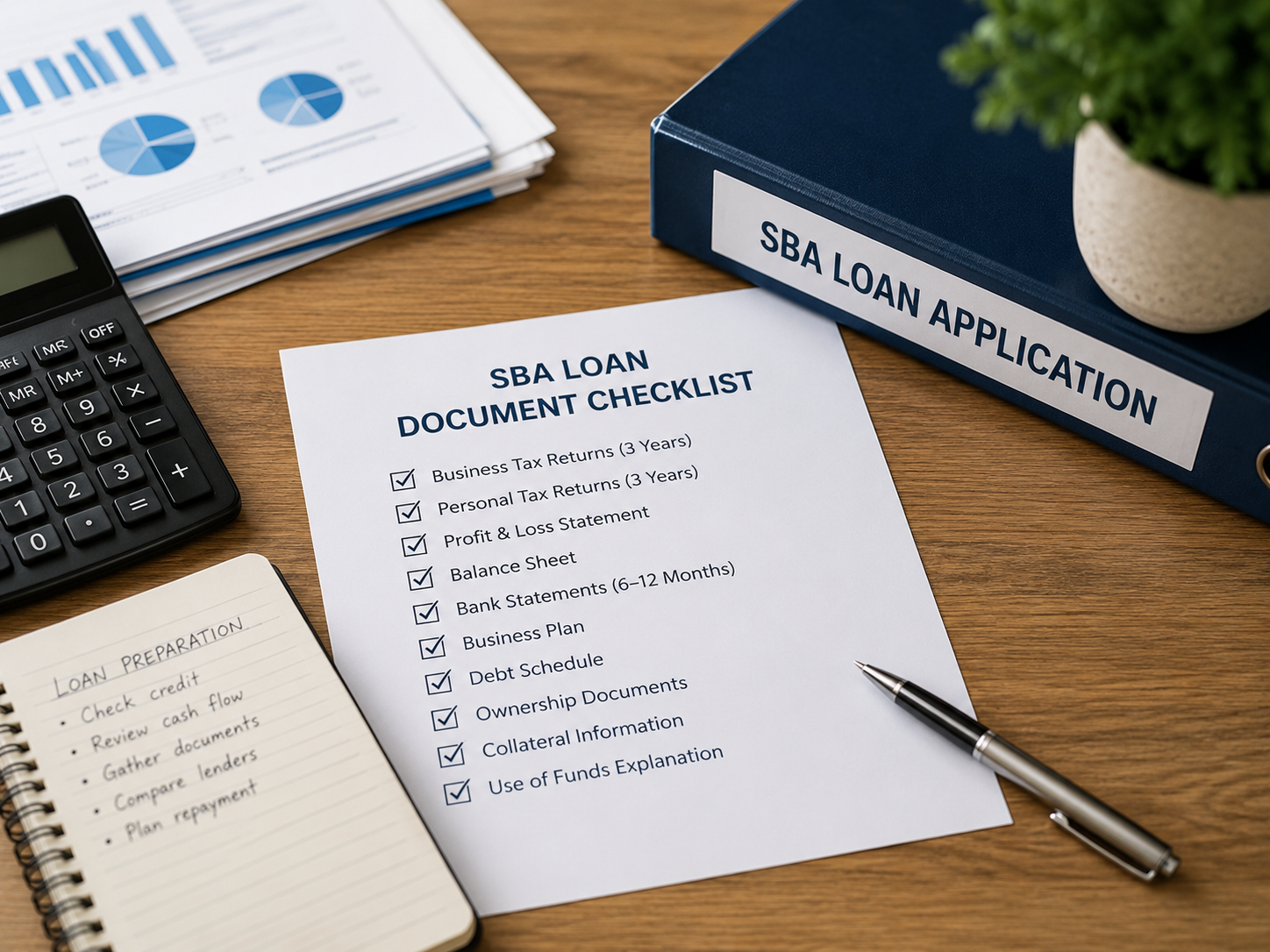
Tip 5: Prepare Financial Documents Early
SBA loan applications often require detailed records. The lender may request business tax returns, personal tax returns, financial statements, bank statements, ownership details, and legal documents. Missing records can slow the process quickly.
It helps to create one organized folder before contacting lenders. Include current financial statements, recent bank records, business formation documents, leases, debt schedules, and insurance information. Add notes for anything that may need explanation.
Preparation also helps owners respond faster during underwriting. A lender may ask follow-up questions after the first review. Clear files can reduce delays and make the business look more prepared.
Tip 6: Explain How the Loan Will Be Used
A lender should understand why the business needs the money. A vague request is harder to evaluate than a specific plan. Owners should explain the amount needed, the use of funds, and the expected benefit.
For example, a restaurant may need equipment, modest renovations, and working capital for reopening. A manufacturer may need a machine that increases production capacity. A contractor may need working capital to support larger jobs.
The loan purpose should match the loan type. Long-term assets may need a different structure than short-term cash flow support. For a broader preparation checklist, review common business loan requirements.
Tip 7: Understand Collateral and Personal Guarantees
Collateral can be part of an SBA loan review. Depending on the loan, a lender may consider business equipment, inventory, receivables, real estate, or other assets. The lender may also require personal guarantees from certain owners.
Business owners should ask what assets may be pledged before signing. They should also ask how collateral affects future borrowing, refinancing, or sale decisions. A secured loan can create obligations beyond the payment schedule.
Collateral does not replace repayment ability. A lender still wants confidence that the business can make payments from operations. For more detail, see the role of collateral in small business loans.
Tip 8: Check SBA Size Standards
SBA size standards help determine whether a business qualifies as small. These standards vary by industry and may be based on employees, average annual receipts, or other measures. A business that feels small locally may still need to meet a specific SBA standard.
Owners should not guess at this step. The applicable industry code and SBA size standard can affect eligibility. An SBA-approved lender can help review the correct category.
This is especially useful for businesses with multiple activities or unusual revenue patterns. If the business has affiliates, related entities, or shared ownership, the review may be more involved. Clear ownership and revenue records can help answer these questions.
Tip 9: Work With the Right SBA Lender
Choosing the right lender can affect the experience. Some lenders handle many SBA loans and know the documents well. Others may offer SBA products but have less experience with the program you need.
Ask whether the lender regularly handles the SBA program you are considering. Also ask about expected timelines, document requirements, fees, communication process, and closing steps. A clear process can make the application easier to manage.
It can also help to compare more than one lender. Different lenders may interpret the same file differently. For borrower safety, see how to safely apply for a small business loan.

Common SBA Loan Qualification Mistakes
One common mistake is applying before the business records are ready. Incomplete documents can delay review and create extra questions. Owners should gather records before the lender asks for them.
Another mistake is requesting an amount that does not match the business need. A loan request should be supported by estimates, invoices, projections, or a clear use of funds. Asking for too much can raise concerns about repayment ability.
Some owners also overlook existing debt. A lender will review current obligations when deciding whether the business can handle a new payment. Before applying, review small business loan limits and how lenders evaluate borrowing capacity.
When an SBA Loan May Not Be the Right Fit
An SBA loan can be helpful, but it is not always the best choice. Some businesses need money faster than the SBA process allows. Others may need a smaller amount or a simpler funding option.
A business may also need to improve records, credit, cash flow, or debt levels before applying. Waiting can be frustrating, but a stronger file may lead to better options. Rushing into the wrong financing can create long-term pressure.
Owners should compare SBA financing with other responsible options. A line of credit, equipment loan, microloan, community lender, or conventional bank loan may fit better. The right choice depends on the business need and repayment plan.
Final Thoughts on SBA Loan Qualification Tips
SBA loan qualification tips are most useful when they help owners prepare before applying. The strongest applications usually show eligibility, clear loan purpose, organized records, repayment ability, and realistic expectations. A prepared borrower can have a more productive lender conversation.
Start with the basics, then build the file carefully. Review eligibility, credit, cash flow, documents, collateral, size standards, and lender fit. Ask questions early if any part of the process is unclear.
An SBA-backed loan can support a small business when the structure fits the need. It should help the business move forward without creating more strain than the owner can manage. Careful preparation gives the application a better chance of being reviewed smoothly.
Sources
- U.S. Small Business Administration: Loans Overview
- U.S. Small Business Administration: 7(a) Loans
- U.S. Small Business Administration: 504 Loans
- U.S. Small Business Administration: Microloans
- U.S. Small Business Administration: Size Standards
Editor’s Note: This article was updated and expanded in July 2026 with clearer SBA eligibility guidance, updated source links, stronger preparation steps, and practical examples for business owners preparing to apply.
Disclaimer: This article is for general educational purposes only and is not financial, legal, tax, lending, or investment advice. SBA rules, lender requirements, rates, fees, eligibility standards, and program details may change. Business owners should verify current requirements with the SBA, lenders, and qualified advisers before applying or signing loan documents.
Photo Credit: All images © Sloan Digital Publishing and licensed stock sources. Used with permission.